
Chaitra Navratri is one of the most sacred festivals in Hindu tradition, dedicated to the worship of Goddess Durga and her nine divine forms. The festival marks the beginning of the Hindu New Year in many regions of India and symbolizes spiritual purification, renewal, and the awakening of divine feminine energy.
The first and most important ritual of Navratri is Kalash Sthapana, also known as Ghatasthapana. This sacred ritual marks the invocation of Goddess Durga into the home and signifies the beginning of nine days of devotion, prayer, and fasting.
During these nine days, devotees follow special rituals, perform daily Durga puja, chant mantras, and observe Navratri fasting. Along with spiritual practices, many people also follow a Navratri fasting diet consisting of satvik foods that help purify the body and mind.
In this complete guide, you will learn about Chaitra Navratri 2026 Kalash Sthapana Muhurat, step-by-step puja vidhi, Navratri fasting rules, Navratri vrat recipes, and healthy Navratri fasting diet.
Table of Contents
ToggleChaitra Navratri 2026 Kalash Sthapana Muhurat
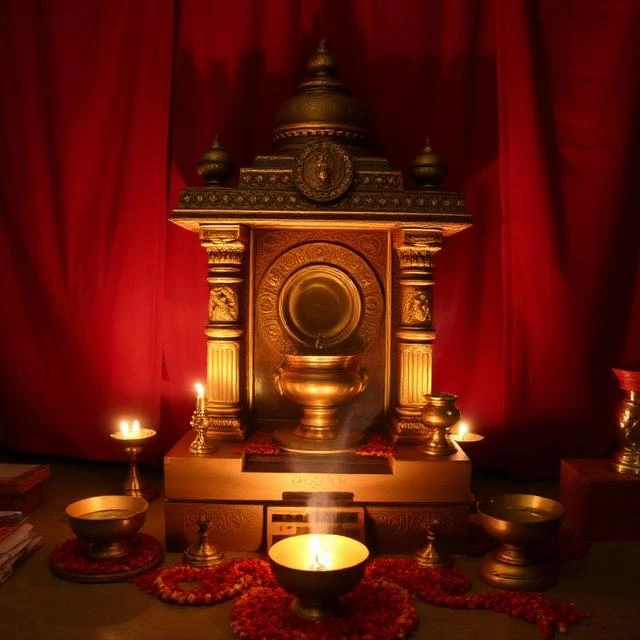
Kalash Sthapana is performed on the first day of Navratri, which falls on Chaitra Shukla Pratipada according to the Hindu lunar calendar.
For Chaitra Navratri 2026, the Kalash Sthapana Muhurat is expected on:
Date: March 19, 2026
Day: Thursday
(Exact muhurat may vary slightly depending on regional panchang calculations.)
Kalash Sthapana should ideally be performed during the Pratipada Tithi after sunrise. This ritual symbolizes the establishment of divine energy in the home for the entire Navratri period.
Significance of Kalash Sthapana
The Kalash is considered a sacred symbol of prosperity, life energy, and divine presence in Hindu rituals.
In Navratri, the Kalash represents:
the presence of Goddess Durga
abundance and prosperity
divine protection
spiritual energy
The coconut placed on the Kalash symbolizes divine consciousness, while the water inside represents life and purity.
Performing Kalash Sthapana correctly is believed to bring blessings of peace, health, prosperity, and spiritual growth.
Items Required for Kalash Sthapana
Before performing the ritual, prepare the following puja items:
Kalash (copper or clay pot)
Mango leaves
Coconut
Red cloth
Rice (Akshat)
Turmeric and kumkum
Flowers and garland
Durga idol or picture
Diya (lamp)
Incense sticks
Soil and barley seeds (optional)
These items are arranged neatly in the puja area before starting the ritual.
Step-by-Step Chaitra Navratri Puja Vidhi
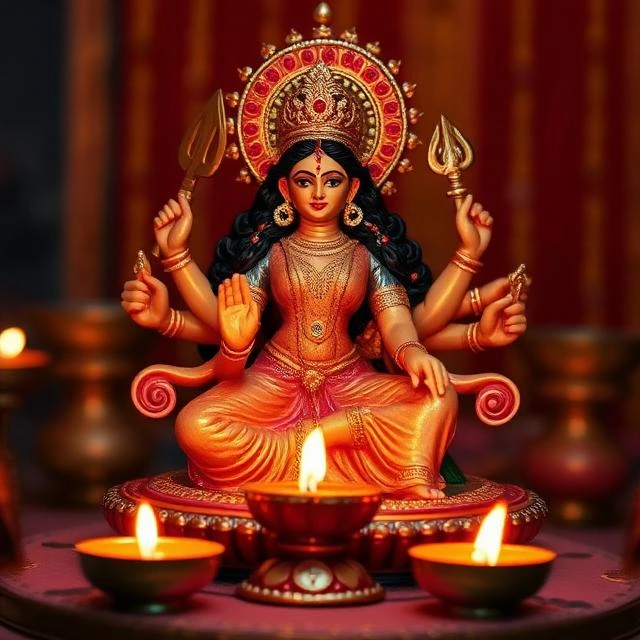
Step 1 – Clean the Puja Area
The puja area should be cleaned thoroughly before performing the ritual. Many devotees also decorate the space with flowers and rangoli.
Cleanliness symbolizes purity and prepares the environment for divine energy.
Step 2 – Prepare the Kalash
Fill the Kalash with clean water and place the following inside:
betel nut
coin
mango leaves
rice grains
Tie a red sacred thread (moli) around the neck of the Kalash.
Step 3 – Place Barley Seeds
Many traditions include sowing barley seeds in soil during Navratri. These seeds grow during the nine days and symbolize prosperity and growth.
Step 4 – Place the Coconut
Wrap a coconut in a red cloth and place it on top of the Kalash. Arrange mango leaves around the mouth of the Kalash.
This represents the presence of divine energy.
Step 5 – Invoke Goddess Durga
Place the Kalash near the image or idol of Goddess Durga and chant sacred mantras.
One of the most powerful Navratri mantras is:
ॐ दुं दुर्गायै नमः
Lighting a diya and incense sticks completes the invocation ritual.
Step 6 – Daily Navratri Puja
For the next nine days, devotees perform daily worship including:
Durga Aarti
mantra chanting
offering flowers and prasad
reading Durga Saptashati
Navratri Fasting Rules
Observing Navratri fast is an important spiritual discipline. Many devotees follow strict fasting rules during the nine days.
Some people fast for all nine days, while others observe fast only on Ashtami or Navami.
Following proper Navratri fasting rules for health ensures that the body remains balanced while observing the fast.
Navratri Fasting Rules for Women
Many women observe Navratri fasts for the well-being of their families and spiritual growth.
Important Navratri fasting rules for women include:
eating satvik food only
avoiding onion and garlic
maintaining purity of thoughts and actions
performing daily Durga puja
Women often prepare traditional Navratri vrat recipes that are simple, nutritious, and easy to digest.
Foods Allowed During Navratri Fast
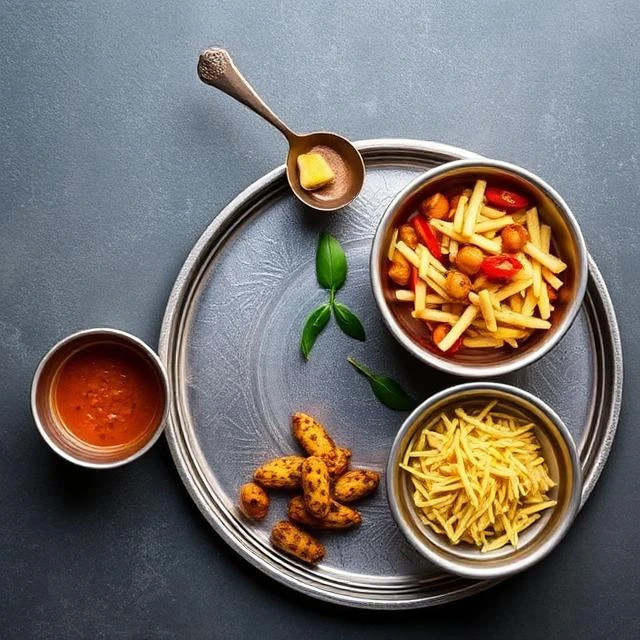
Understanding foods allowed during Navratri fast helps devotees maintain the correct diet during fasting.
Common fasting foods include:
fruits and fruit juices
milk and dairy products
sabudana (tapioca pearls)
singhara flour
kuttu flour (buckwheat)
potatoes
peanuts
nuts and dry fruits
rock salt (sendha namak)
These foods are considered satvik and suitable for fasting.
Foods to Avoid During Navratri
During Navratri fasting, certain foods are avoided to maintain purity and discipline.
Common foods to avoid during Navratri include:
wheat and regular flour
rice (in strict fasts)
onion and garlic
non-vegetarian food
alcohol
processed foods
Avoiding these foods helps maintain the spiritual purpose of the fast.
Healthy Navratri Fasting Diet
Following a healthy Navratri fasting diet ensures that the body remains energetic during the nine days of fasting.
A balanced fasting diet should include:
fruits for vitamins and hydration
dairy products for protein and calcium
nuts for healthy fats
light fasting grains like kuttu and singhara
Eating small meals throughout the day helps maintain energy levels.
Navratri Vrat Recipes
Many delicious Navratri vrat recipes are prepared during the festival.
Popular recipes include:
Sabudana Khichdi
A light dish made with tapioca pearls, peanuts, and mild spices.
Kuttu Poori
Fried bread made with buckwheat flour and served with potato curry.
Singhara Halwa
A sweet dish prepared from water chestnut flour and ghee.
Sabudana Vada
Crispy fritters made with tapioca pearls and potatoes.
Fruit Salad with Yogurt
A healthy and refreshing fasting meal.
These recipes make the Navratri fasting diet both nutritious and satisfying.
Navratri Fasting Benefits Ayurveda
According to Ayurveda, fasting during Navratri has several health benefits.
Seasonal transitions often affect digestion and immunity. Navratri fasting helps the body adjust to these changes.
Some important Navratri fasting benefits Ayurveda mentions include:
detoxification of the digestive system
improved metabolism
strengthening of immunity
better mental clarity
Satvik foods consumed during Navratri are easy to digest and help maintain internal balance.
Navratri Fasting Rules for Health
Following proper Navratri fasting rules for health is essential to avoid weakness or dehydration.
Some important tips include:
drink plenty of water
include fruits in the diet
avoid overeating fried foods
consume nuts for energy
get enough rest
These practices ensure that fasting remains both spiritual and healthy.
Spiritual Importance of Navratri Fasting
Navratri fasting is not just about food restrictions; it is about self-discipline and spiritual purification.
Fasting helps control:
desires
negative thoughts
emotional imbalance
Through prayer, meditation, and fasting, devotees experience inner peace and spiritual growth.
Final Thoughts
Chaitra Navratri 2026 is a sacred festival that celebrates the divine power of Goddess Durga and marks the beginning of a spiritual journey for millions of devotees.
The ritual of Kalash Sthapana signifies the arrival of divine energy into the home and sets the tone for nine days of devotion, prayer, and discipline.
By performing the Chaitra Navratri puja vidhi, following proper Navratri fasting rules, and maintaining a balanced Navratri fasting diet, devotees can experience both spiritual and physical benefits.
With traditional Navratri vrat recipes, a healthy Navratri fasting diet, and awareness of foods allowed during Navratri fast and foods to avoid during Navratri, fasting becomes a meaningful and fulfilling experience.
May Goddess Durga bless everyone with health, happiness, and spiritual strength during Chaitra Navratri 2026.
Jai Mata Di.
Pingback: Chaitra Navratri 2026: Dates, Significance and Complete Guide - Ranjit Disha