
Navratri is one of the most sacred and spiritually uplifting festivals in India, celebrated with devotion, prayer, and fasting. While most people observe Navratri fasting as a religious practice, there is a deep scientific and Ayurvedic significance behind it.
Navratri occurs during seasonal transitions—especially Chaitra (spring) and Sharad (autumn)—when the body undergoes natural changes. According to Ayurveda and modern science, these periods are ideal for detoxification and internal cleansing.
The concept of Navratri fasting is not just about abstaining from food, but about aligning the body with nature’s rhythms, improving digestion, boosting immunity, and enhancing mental clarity.
In this article, we will explore the scientific and Ayurvedic benefits of Navratri fasting, understand how it impacts the body, and learn why this ancient practice is still relevant in modern times.
Table of Contents
ToggleWhy Navratri Fasting is Scientifically Important
Navratri fasting is closely connected with seasonal changes, which affect the human body significantly.
During seasonal transitions:
- metabolism fluctuates
- digestion weakens
- immunity becomes vulnerable
- toxins accumulate in the body
Fasting during Navratri helps the body adapt to these changes.
From a scientific perspective, fasting:
- gives rest to the digestive system
- promotes cellular repair
- helps in detoxification
- improves metabolic efficiency
Thus, Navratri fasting is not just spiritual—it is a natural biological reset process.
Ayurvedic Perspective of Navratri Fasting
In Ayurveda, the body is governed by three doshas:
- Vata (air and space)
- Pitta (fire and water)
- Kapha (earth and water)
Seasonal changes disturb the balance of these doshas.
Navratri fasting helps:
- balance doshas
- improve digestion (Agni)
- eliminate toxins (Ama)
- restore body equilibrium
Ayurveda recommends consuming satvik food during Navratri, which is light, pure, and easy to digest.
1. Detoxification of the Body
One of the biggest benefits of Navratri fasting is detoxification.
During fasting:
- heavy and processed foods are avoided
- digestive load is reduced
- toxins are gradually eliminated
Ayurveda emphasizes that toxin accumulation (Ama) is the root cause of many diseases.
By following a Navratri fasting diet, the body naturally detoxifies and becomes more efficient.
2. Improved Digestive System
Navratri fasting allows the digestive system to rest and recover.
Modern diets often include:
- processed foods
- excess oil
- refined sugars
These put stress on digestion.
During Navratri:
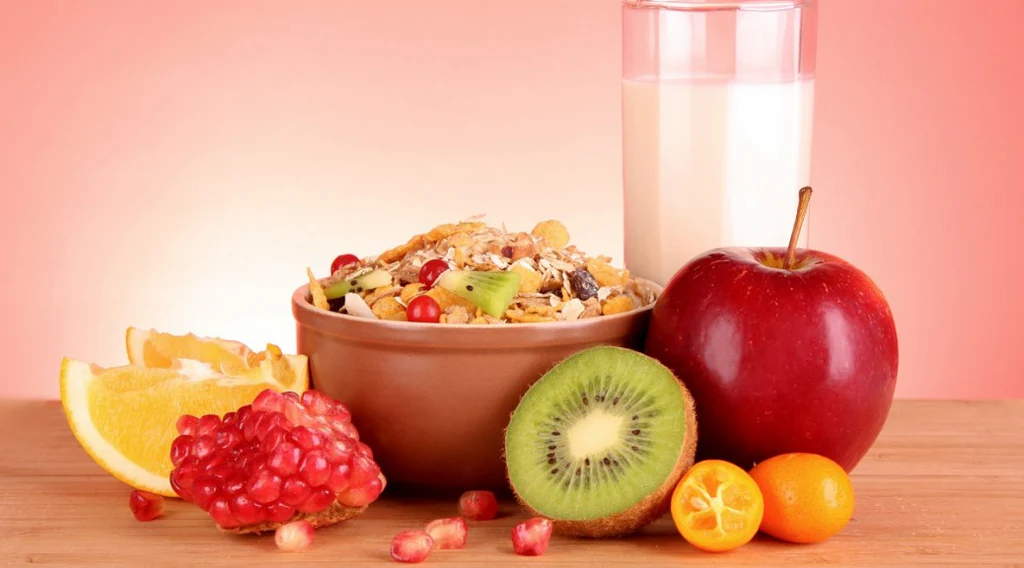
- light foods like fruits, milk, and nuts are consumed
- digestion becomes more efficient
- gut health improves
Ayurveda considers strong digestion (Agni) as the foundation of good health.
3. Boosts Immunity
Navratri fasting plays a crucial role in strengthening immunity.
Seasonal transitions often lead to:
- infections
- allergies
- fatigue
Fasting helps:
- remove toxins
- improve nutrient absorption
- enhance immune response
A healthy Navratri fasting diet rich in fruits and nuts provides essential vitamins and antioxidants.
4. Enhances Mental Clarity
Fasting not only affects the body but also the mind.
During Navratri fasting:
- heavy foods are avoided
- satvik foods promote calmness
- meditation and prayer are practiced
Scientific studies suggest that fasting improves:
- focus
- cognitive function
- emotional stability
Ayurveda states that satvik food purifies the mind and enhances mental clarity.
5. Promotes Weight Management
Navratri fasting can help in healthy weight management.
Since the diet during Navratri includes:
- low-calorie foods
- natural ingredients
- limited meal frequency
It helps in:
- reducing excess fat
- improving metabolism
- controlling cravings
However, avoiding excessive fried Navratri vrat recipes is important for achieving these benefits.
6. Supports Cellular Repair (Autophagy)
One of the most important scientific benefits of fasting is autophagy.
Autophagy is a natural process where the body:
- removes damaged cells
- regenerates new cells
- improves overall health
Fasting triggers this process, helping in:
- slowing aging
- improving cellular health
- reducing disease risk
Navratri fasting naturally supports this biological mechanism.
7. Balances Hormones
Fasting can help regulate hormones in the body.
It improves:
- insulin sensitivity
- blood sugar levels
- metabolism
For many people, Navratri fasting helps:
- stabilize energy levels
- reduce mood swings
- improve overall well-being
8. Strengthens Self-Discipline
Navratri fasting is not only physical but also mental discipline.
It teaches:
- control over desires
- mindful eating
- spiritual focus
In Ayurveda, discipline is essential for maintaining balance in life
9. Improves Heart Health
A controlled diet during Navratri fasting supports heart health.
Benefits include:
- reduced cholesterol levels
- improved blood circulation
- lower blood pressure
Consuming nuts and fruits in the Navratri fasting diet provides healthy fats and nutrients.
10. Aligns Body with Nature
Navratri fasting aligns the human body with natural seasonal cycles.
Ayurveda believes that:
- health depends on harmony with nature
- seasonal detox is essential
- lifestyle should adapt to environmental changes
Navratri fasting is a perfect example of this ancient wisdom.
Scientific Explanation of Navratri Fasting Diet

The foods consumed during Navratri are not random—they are scientifically beneficial.
Fruits
- rich in vitamins and antioxidants
- easy to digest
- provide hydration
Dairy Products
- good source of protein and calcium
- maintain energy levels
Nuts and Seeds
- provide healthy fats
- boost energy
Fasting Grains (Kuttu, Singhara)
- gluten-free
- easy to digest
- high in nutrients
These foods make the Navratri fasting diet both balanced and beneficial.
Ayurvedic Guidelines for Navratri Fasting
To maximize the benefits, Ayurveda suggests:
Eat Light and Fresh Food
Avoid stale or processed food.
Follow Satvik Diet
Include:
- fruits
- milk
- nuts
- natural ingredients
Stay Hydrated
Drink:
- water
- coconut water
- herbal drinks
Avoid Overeating
Even fasting foods should be consumed in moderation.
Common Mistakes to Avoid During Navratri Fasting
Many people unknowingly make mistakes during fasting.
Avoid:
- excessive fried foods
- overeating vrat snacks
- dehydration
- lack of sleep
Following proper Navratri fasting rules for health ensures maximum benefits.
Who Should Avoid Strict Fasting?
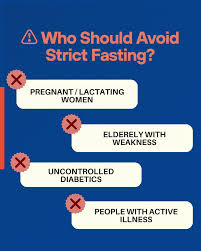
While Navratri fasting has many benefits, it may not be suitable for everyone.
People who should consult a doctor:
- pregnant women
- elderly individuals
- people with medical conditions
- diabetics
They can follow a modified fasting diet.
Spiritual and Scientific Balance
Navratri fasting beautifully combines:
- spiritual discipline
- scientific health benefits
- Ayurvedic wisdom
It is a holistic practice that benefits:
- body
- mind
- soul
Conclusion
Navratri fasting is much more than a religious ritual—it is a scientifically and Ayurvedically designed practice that promotes overall well-being.
The scientific benefits include detoxification, improved metabolism, enhanced immunity, and better mental clarity.
The Ayurvedic benefits include balancing doshas, strengthening digestion, and aligning the body with natural rhythms.
By following a healthy Navratri fasting diet, avoiding unhealthy foods, and maintaining discipline, one can experience both physical and spiritual transformation.
In today’s fast-paced lifestyle, Navratri fasting offers a perfect opportunity to reset the body and reconnect with inner peace.
May this Navratri bring health, balance, and positivity into your life.
Jai Mata Di.
FAQs
Is Navratri fasting scientifically beneficial?
Yes, Navratri fasting helps detoxify the body, improve metabolism, and support cellular repair.
What are Ayurvedic benefits of Navratri fasting?
Ayurveda states that fasting balances doshas, improves digestion, and removes toxins.
Can Navratri fasting help in weight loss?
Yes, a controlled fasting diet can support healthy weight management.
What foods should be eaten during Navratri fasting?
Fruits, milk, nuts, sabudana, and fasting flours are recommended.