
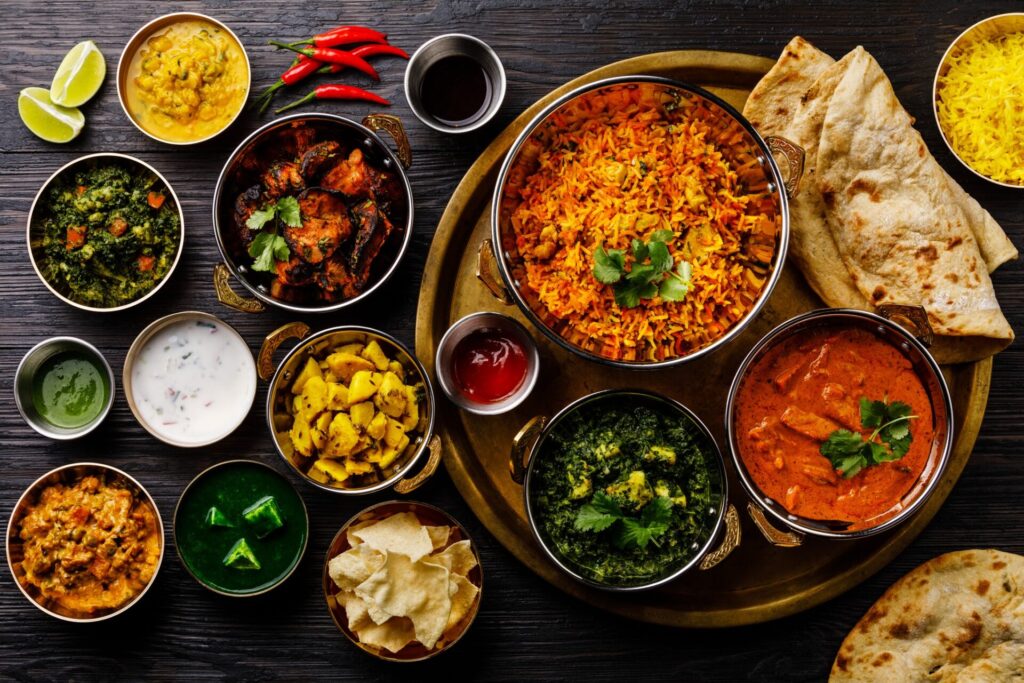
For many years, Indian food around the world was limited to a few popular dishes like butter chicken, naan, and biryani. While delicious, this narrow view caused many regional Indian cuisines to fade into the background. Rich traditions, local ingredients, and age-old cooking methods were slowly forgotten.
Today, that is changing.
Across India and beyond, there is a strong traditional Indian food revival. Home chefs, restaurants, food festivals, and social media creators are bringing back forgotten Indian cuisines and celebrating authentic Indian regional food. These cuisines are not only tasty but also healthier, sustainable, and deeply connected to local culture.
In this article, you will explore the top 5 regional Indian cuisines making a comeback, why they matter, and how you can experience them.
Table of Contents
ToggleWhy Regional Indian Cuisines Are Returning
Before we dive into specific cuisines, it is important to understand why this revival is happening.
Key reasons behind the comeback
Growing interest in local Indian dishes and farm-to-table food
Health awareness and demand for traditional, balanced diets
Chefs rediscovering heritage recipes
Food bloggers and YouTube creators showcasing regional cooking
Government and tourism boards promoting regional food culture
According to industry reports, regional Indian restaurants and specialty food brands have seen steady growth since 2020, especially among younger audiences who want authentic experiences rather than fast food.
Top 5 Regional Indian Cuisines Making a Comeback
1. Chettinad Cuisine (Tamil Nadu)
Chettinad cuisine is known for its bold spices, rich aromas, and complex flavors. Once limited to homes in southern Tamil Nadu, it is now gaining national and global attention.
What makes Chettinad special?
Heavy use of freshly ground spices
Minimal cream or butter
Focus on pepper, curry leaves, and coconut
Popular Chettinad dishes
Chettinad chicken
Kozhi varuval
Kara kuzhambu
Kuzhi paniyaram
This cuisine represents authentic Indian regional food at its best. Many modern restaurants now serve Chettinad-style dishes as a healthier alternative to North Indian gravies.
2. Awadhi Cuisine (Uttar Pradesh)
Awadhi cuisine comes from Lucknow and nearby regions. It is famous for its slow-cooking technique called dum, which locks in flavors.
Why Awadhi cuisine is returning
Interest in royal and heritage food
Rise of traditional cooking methods
Demand for balanced spices and rich aroma
Key Awadhi dishes
Galouti kebab
Nihari
Awadhi biryani
Sheermal
Awadhi food shows how regional Indian cuisines can be refined without being heavy. Unlike restaurant-style gravies, Awadhi dishes focus on technique rather than spice overload.
3. Konkani Cuisine (Goa, Karnataka, Maharashtra)
Konkani cuisine is deeply connected to coastal life. It uses fresh seafood, coconut, kokum, and local spices.
What sets Konkani food apart?
Light, tangy flavors
Rice-based meals
Seasonal seafood and vegetables
Popular Konkani dishes
Fish curry with rice
Sol kadhi
Kori rotti
Pathrado
With the global rise in seafood-based diets, Konkani food has found new fans. It is a perfect example of local Indian dishes becoming globally relevant.
4. Bhojpuri Cuisine (Eastern Uttar Pradesh & Bihar)
Bhojpuri cuisine was long ignored in mainstream food culture. Today, it is gaining respect for its simplicity, nutrition, and strong rural roots.
Why Bhojpuri cuisine matters
Uses seasonal, local ingredients
Minimal oil and spices
High nutritional value
Traditional Bhojpuri dishes
Litti chokha
Sattu paratha
Kadhi bari
Thekua
This cuisine is a powerful part of the traditional Indian food revival, especially among people seeking simple, wholesome meals.
5. Khasi Cuisine (Meghalaya)
Khasi cuisine from Northeast India is one of the most forgotten Indian cuisines, yet one of the most unique.
Unique features of Khasi food
Very low oil usage
Focus on boiling, smoking, and fermentation
Minimal spice but strong natural flavors
Popular Khasi dishes
Jadoh
Dohneiiong
Tungrymbai
Nakham bitchi
As global food trends move toward clean eating, Khasi cuisine is being rediscovered by chefs and food researchers worldwide.
Comparison Table: Key Features of These Cuisines
| Cuisine | Region | Cooking Style | Flavor Profile |
|---|---|---|---|
| Chettinad | Tamil Nadu | Dry roasting, spice grinding | Bold, spicy |
| Awadhi | Uttar Pradesh | Slow cooking (dum) | Rich, aromatic |
| Konkani | Coastal India | Coconut-based, seafood | Light, tangy |
| Bhojpuri | Bihar & UP | Seasonal, simple cooking | Earthy, mild |
| Khasi | Meghalaya | Boiled, fermented | Clean, natural |
Pros and Cons of Regional Indian Cuisines
Pros
Healthier than processed food
Preserves cultural heritage
Uses local and seasonal ingredients
Supports local farmers and artisans
Cons
Limited availability outside regions
Authentic taste can be hard to replicate
Some recipes require time and skill
Actionable Tips to Experience Authentic Regional Food
Visit regional food festivals and cultural fairs
Try home-style regional restaurants instead of generic chains
Follow regional food creators online
Learn one traditional recipe per month
Buy local spices and ingredients
Common Mistakes to Avoid
Assuming all Indian food is spicy
Replacing traditional ingredients with shortcuts
Over-modernizing heritage recipes
Ignoring the cultural context of dishes
Preserving authentic Indian regional food means respecting its roots.
Quick Summary Checklist
Understand regional diversity
Choose authentic sources
Use local ingredients
Respect traditional methods
Share and promote regional cuisines
FAQs: Regional Indian Cuisines Making a Comeback
1. What are regional Indian cuisines?
Regional Indian cuisines are food traditions unique to specific states or communities, shaped by climate, culture, and local ingredients.
2. Why are forgotten Indian cuisines becoming popular again?
People are seeking healthier food, cultural authenticity, and unique flavors, leading to a renewed interest in traditional cuisines.
3. Are regional Indian dishes healthy?
Most regional dishes use seasonal ingredients, natural cooking methods, and balanced spices, making them healthier than processed food.
4. Can I find authentic regional Indian food outside India?
Yes, many global cities now have specialty restaurants and home chefs offering authentic regional food.
5. How can beginners start exploring regional cuisines?
Start with simple recipes, watch regional cooking videos, and visit food festivals or cultural events.
6. Is regional Indian food suitable for global audiences?
Yes. Many dishes align well with global trends like plant-based eating, clean food, and sustainable cooking.
Final Thoughts
The return of regional Indian cuisines is more than a food trend. It is a cultural movement that celebrates identity, sustainability, and health. From the bold spices of Chettinad to the clean flavors of Khasi food, India’s culinary heritage is finding its rightful place again.
Now is the perfect time to explore, support, and share these traditions.
Start your jo
urney today. Try one regional dish this week and help keep India’s food heritage alive.